


Why Women Are More Likely to Experience Dry Eye
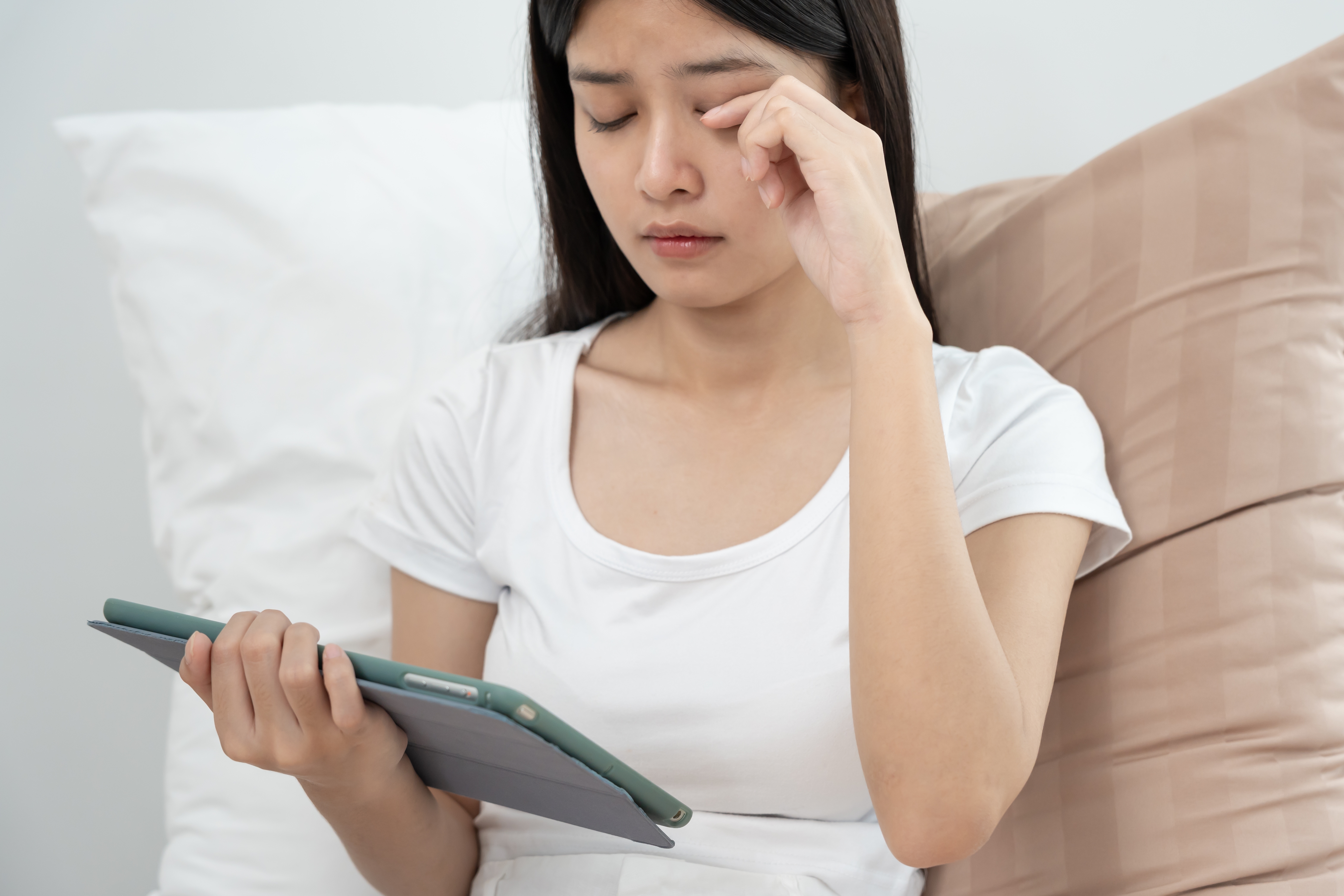
Dry eye can affect anyone, but women are more likely to experience symptoms like burning, stinging, redness, watery eyes, eye fatigue, and fluctuating vision. At Eye See Optical in Kensington, MD, we often see women who have been using artificial tears for months without understanding the root cause of their discomfort.
Dry eye is not always a simple lack of tears. It often happens when the tear film becomes unstable or when the meibomian glands do not release enough oil to keep tears from evaporating too quickly.
Hormonal Changes Can Affect Tear Quality
One reason women are more prone to dry eye is hormonal change. Estrogen and androgen levels can influence tear production, oil gland function, and inflammation on the eye surface. Dry eye symptoms may become more noticeable during pregnancy, perimenopause, menopause, or while using certain hormone-related medications.
Menopause and Dry Eye Symptoms
Dry eye often becomes more frequent or more severe around menopause. During this stage, changes in hormone levels can affect the glands that help support a healthy tear film. When the oil layer of the tears is reduced, tears may evaporate faster, leaving the eyes feeling dry even if they water often.
Common symptoms can include:
- Burning, stinging, or a gritty feeling
- Red or irritated eyes
- Watery eyes caused by reflex tearing
- Blurry vision that comes and goes
- Eye fatigue during screen use
- Sensitivity to wind, smoke, or dry air
Autoimmune Conditions Are Also More Common in Women
Some autoimmune conditions that are more common in women can also contribute to dry eye. Conditions such as Sjögren’s disease, rheumatoid arthritis, thyroid disease, and lupus may affect tear production or increase inflammation on the ocular surface.
Because dry eye can have several causes, a focused dry eye evaluation is important. At Eye See Optical, we look beyond symptoms and evaluate tear film stability, tear volume, meibomian gland health, lid margins, and the surface of the eye to better understand what is driving the problem.
Screen Time Can Make Symptoms Worse
Many women spend long hours using computers, phones, and other digital devices for work, family schedules, and daily tasks. Screen use can reduce the blink rate, which allows tears to evaporate faster. This can worsen dry eye symptoms, especially when meibomian gland dysfunction is already present.
Small changes like taking blink breaks, adjusting screen height, using a humidifier, and staying consistent with prescribed at-home care may help, but ongoing symptoms should be evaluated by an eye doctor.
Take the Next Step Toward Lasting Eye Comfort
Dry eye treatment should be based on the cause, not just the symptoms. We offer a dedicated Dry Eye Spa approach in Kensington, MD that may include advanced diagnostics, at-home care recommendations, prescription therapies, in-office treatments, and meibomian gland support when appropriate.
We serve patients from Kensington, North Bethesda, Rockville, Bethesda, Potomac, Chevy Chase, and communities throughout Montgomery County. Whether your dry eye is related to hormones, inflammation, meibomian gland dysfunction, contact lens wear, or another factor, we can help create a personalized care plan that fits your needs.
Schedule a dry eye evaluation with Eye See Optical to learn more about advanced treatment options. Our office is located in Kensington, MD - just minutes from North Bethesda and the Pike & Rose area, and easily accessible from Rockville via Veirs Mill Road or Georgia Avenue. Call (301) 881-6232 to book an appointment today.


Contact Us
Let’s keep in touch!
Office Hours
- Monday 10:00am - 6:00pm
- Tuesday 10:00am - 6:00pm
- Wednesday 10:00am - 6:00pm
- Thursday 10:00am - 6:00pm
- Friday 10:00am - 6:00pm
- Saturday Closed
- Sunday Closed
If you dont cancel within 24 hours of your appointment there will be a $50 charge
© 2026 Eye See Optical | All rights Reserved | Accessibility Statement | Privacy Policy | Sitemap
Powered by:
